
Teacher spaces: A school design priority
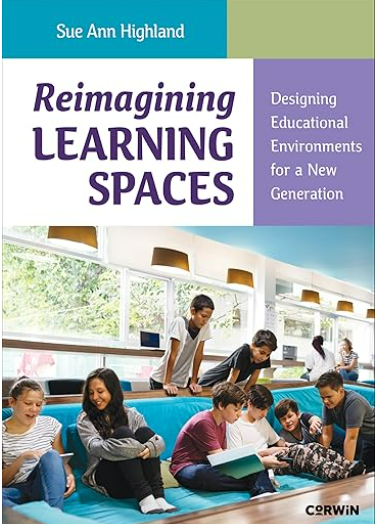
Resource in focus: Sue Anne Highland’s book, “Reimagining Learning Spaces: Designing Educational Environments for a New Generation”
In conversations about learning environments, the focus is often placed squarely on students; flexible classrooms, collaborative spaces, breakout areas, and environments designed to support different ways of learning. While these conversations are essential, they can sometimes overlook another equally important group within the school ecosystem: teachers. In Reimagining Learning Spaces: Designing Educational Environments for a New Generation, Sue Ann Highland explores the role that spatial design plays in shaping learning environments in a way that is both accessible and thoughtfully argued. Written in an easy-to-read and well considered style, Highland not only discusses the impact of design on student learning but also dedicates space to an often overlooked idea, the importance of investing in environments that support teachers as well.
Too often, staff lounges, staff rooms and teacher workspaces are treated as an afterthought in school design spaces that are functional but rarely intentional. Highland reminds us however that the wellbeing of teachers is deeply connected to the wellbeing and success of students. As she writes:
“It is not just student wellness that is important to academic success; the mental, physical, and emotional well-being of teachers also matters. Teachers cannot effectively tend to their students’ needs until their own needs are met.”
This perspective reframes the way schools might think about the purpose of staff spaces. Rather than simply being places for teachers to eat lunch or store belongings, teacher lounges can play an important role in supporting wellbeing, fostering professional relationships, and strengthening school culture.
Highland also emphasises that the design of these spaces communicates something powerful about how teachers are valued within a school community. She notes the importance of:
“…creating school culture, policies and practices that are responsive to what teachers need and that communicate the value of teachers to the school community.”
Design, in this sense, becomes more than aesthetics or layout, it becomes a signal of respect and recognition.
To support teacher wellbeing and connection, Highland outlines several design considerations that schools should prioritise when rethinking staff lounges and teacher spaces.
One key element is flexible and ergonomic furniture. Teaching is physically demanding, and providing a variety of comfortable seating options, such as lounge chairs, sofas, standing tables, or adjustable work surfaces, allows teachers to rest, change posture, and work in ways that support their physical health.
Equally important is the balance between collaboration and quiet. Teacher lounges can serve as places where informal conversations spark new ideas, where colleagues debrief after challenging classes, or where professional relationships deepen. At the same time, teachers may also need moments of calm and privacy during the day. Thoughtfully designed spaces that offer both communal areas and quieter corners allow teachers to choose what they need in the moment.
Highland also highlights the role of natural light and calming design elements. Access to daylight, views outside, indoor plants, and soft materials can help reduce stress and create an environment that feels restorative rather than purely functional. Small design choices can have a surprisingly large impact on mood and wellbeing.
Another important consideration is adjustable environmental controls. Lighting and temperature can significantly influence comfort, energy levels, and the ability to relax. Providing adjustable lighting options, such as dimmable lights or a combination of task and ambient lighting, allows teachers to create a more comfortable atmosphere. Similarly, where possible, temperature control or improved ventilation helps ensure that the space feels comfortable year round, rather than becoming a place teachers avoid because it is too hot, cold, or poorly ventilated.
Highland’s thinking also extends to the overall aesthetic and design quality of staff spaces. A positive aesthetic, thoughtful colour choices, quality materials, artwork, and an inviting layout signals that the space has been intentionally designed rather than simply assembled from leftover furniture. When a space feels welcoming and well considered, it communicates respect for the people who use it.
Practical amenities that support daily routines also make a difference. Well designed refreshment areas, kitchenettes, or coffee spaces can transform a lounge into a genuine place for teachers to pause and recharge. These shared spaces often become natural points for conversation and connection, strengthening the social fabric of a school.
In addition, accessible technology and functional workspaces allow teacher lounges to support professional collaboration. Charging stations, shared screens, and small meeting areas enable teachers to quickly plan together, review materials, or problem solve without needing to book formal meeting rooms.
An often overlooked but equally important factor is the ongoing upkeep and maintenance of staff spaces. Cleanliness, functional equipment, and well maintained furniture all contribute to whether a space feels valued and respected. A well designed lounge that is poorly maintained quickly loses its restorative qualities. Regular care and attention signal that the space, and the people who use it, matter.
Ultimately, Highland’s work reminds us that designing for learning does not stop at the classroom door. A school’s physical environment shapes relationships, culture, and wellbeing across the entire community. When teachers are supported by spaces that encourage rest, connection, and collaboration, the benefits ripple outward, strengthening not only staff wellbeing but also the learning experiences of students.
Investing in thoughtfully designed teacher spaces is therefore not a luxury. It is an investment in the health of the entire learning environment.