
Designing inclusive wayfinding: A neuro-affirming signage system for the Stonnington Toy Library
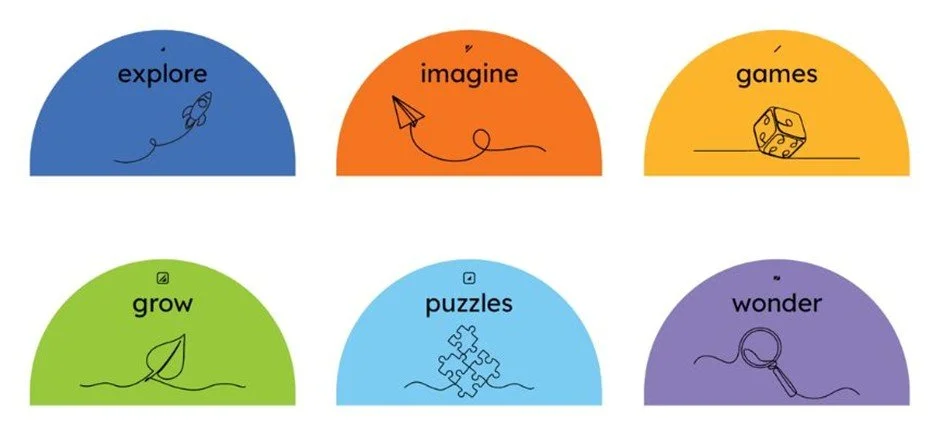
Wayfinding is more than signage, it is a critical accessibility tool that shapes how people feel, move, and participate within a space. For community based organisations such as toy libraries, often operated by volunteers from diverse backgrounds, the clarity, consistency, and adaptability of signage can determine whether an environment feels supportive or overwhelming.
Over an 18-month period, the Neuroforma team partnered with the Stonnington Toy Library, a community toy library to review and redesign its wayfinding system. The aim was to develop an inclusive, neuro-affirming signage framework that supports members, employees, and volunteers, while remaining practical, affordable, and manageable for the organisation over time.
Designing for real world constraints
From the outset, the project acknowledged the operational realities faced by many small not-for-profit businesses. Any proposed system needed to:
be scalable and capable of being rolled out across multiple sites over time
allow staged implementation aligned with funding availability
integrate with the existing layout, shelving structure, and cataloguing system, encompassing over 4,000 toys
be designed to be easily managed, updated, and maintained by the client, offering a cost effective and resource efficient solution
be intuitive, easy to understand, learn, and communicate
work within a busy, colourful, and well-loved existing environment
Rather than proposing a complete replacement, the focus was on creating a flexible framework that could evolve incrementally with minimal disruption to day-to-day operations.
A layered wayfinding and coding system
To support different levels of orientation and information processing, a clear, layered signage hierarchy was developed. This coding system enables users to navigate the space intuitively, regardless of their role, familiarity with the toy library, or sensory preferences.
The system included:
front-of-house anchor point signage to establish orientation
high level directional wall signage for broader navigation
low level sectional signage to support local wayfinding
shelf labels for precise identification
bay and play style differentiation signage
floor signage to reinforce movement paths and activity zones
By providing multiple points of reference, the system aims to reduce cognitive load and support users who rely on different cues to navigate confidently.
Supporting diverse access needs
The signage framework was developed with careful consideration of a wide range of access and inclusion needs. Rather than relying solely on text, the system integrates multiple forms of communication, combining visual and audio cues to support understanding and choice.
This approach included:
clear, consistent iconography
simplified label names and section headings
a carefully considered colour palette designed for contrast, clarity, and visual calm
QR codes to provide optional audio guidance and extended information
deliberate font selection and sizing to improve legibility
low glare, matte finishes for signage and labels
Visual and audio cues work together to provide redundancy, ensuring that if one mode of information is inaccessible, another remains available.
Consistency over complexity
A key outcome of the project was the recognition that consistency is more effective than complexity. Repeated visual patterns, predictable placement, and uniform language help users build familiarity and confidence over time.
At the same time, the project acknowledged a fundamental reality of inclusive design: it is not possible to meet every access need fully within a single system. Instead, the goal was to make thoughtful, evidence informed decisions that significantly improve accessibility for many users, without introducing new barriers for others.
A collaborative, consultative process
The signage system was developed through a multi-step, consultative process spanning approximately 18 months. This included ongoing engagement with the client, refinement of language and visuals, and careful balancing of aspirational accessibility goals with practical constraints, ensuring the system remains usable, adaptable, and sustainable.
Designing for dignity and participation
Inclusive wayfinding is not just about navigation; it is about dignity, independence, and belonging. For toy library users, including employees, volunteers, and members who are disabled or neurodivergent, clear and supportive signage reduces reliance on others, lowers anxiety, and supports meaningful participation.
By embedding neuro-affirming principles into a flexible, low cost signage framework, this project demonstrates how inclusive design can be both aspirational and achievable, particularly when shaped through collaboration, patience, and respect for lived experience.