
Flexible isn’t the same as inclusive: Rethinking learning spaces in education

There’s a word that has become almost synonymous with “best practice” in contemporary education design: flexible. Moveable furniture, reconfigurable walls, multi-use zones, the language of flexibility has reshaped how educators, school leaders, and facilities teams talk about learning environments. And for good reason. Flexible spaces do improve collaboration, engagement, and pedagogical variety.
But here’s the question everyone across the education community needs to sit with: does a flexible space automatically include everyone?
The research suggests we need to dig deeper. For everyone shaping the education landscape, teachers in the classroom, curriculum leads, school principals, budget holders, and policymakers, this distinction matters enormously. Inclusivity is not a byproduct of flexibility. It is a deliberate act, and it requires every layer of the education community working in the same direction.
“Flexibility is a design tool. Inclusivity is a design commitment.”
The assumptions we need to question
When a design brief calls for a “flexible learning environment,” the instinct is often to think: moveable chairs, writable surfaces, open-plan zones. These are legitimate moves. But flexibility, at its core, is a pedagogical response, it accommodates different teaching styles and group configurations. It is not, by itself, an inclusive response.
Zipf and colleagues' 2024 study in Innovative Higher Education makes this gap visible. The researchers set out to understand how the physical elements of flexible classrooms create both opportunities and barriers, specifically for students with disabilities. Their finding? What appears more inclusive on the surface can still produce real exclusion in practice.
What the data tells us
Trends emerging from recent research include:
Inadequate support in school environments negatively affects students’ mental health, physical health, and overall quality of life, findings published in the International Journal of Developmental Disabilities.
Physical characteristics of learning spaces directly shape students’ sense of belonging. For neurodivergent learners, a poorly considered environment is not just uncomfortable, it is a barrier to belonging and achievement (Frontiers in Education, 2026).
Education systems globally are becoming more diverse, but not necessarily more inclusive. This is a failure of intention, not just resources (Education International, 2026).
Beyond ‘stuff’: The sensory and relational dimension
One of the most common misconceptions in inclusive space design is that it is primarily about things, the right furniture, the right equipment, the right layout. But inclusive learning environments are not built by procurement alone. They are built through relationships, understanding, and ongoing responsiveness to the people in them.
Emerging research in neuroarchitecture, the study of how physical environments affect mental and emotional processes, confirms that elements like light, acoustics, materials, and spatial organisation, all have measurable effects on wellbeing and learning. But the research is equally clear that a one-size-fits-all approach does not work. What supports one learner may overwhelm another. What feels calming to one student may feel isolating to the next.
This is where educators and school leaders play a role that no furniture catalogue can replace. Inclusive spaces require active engagement with learners, asking what they need, noticing who is disengaging, and building environments that can adapt as those needs become clearer. According to a 2026 Frontiers in Education study on neurodivergent university students, sensory inclusive design means:
Noise management: acoustic panels, carpets, white noise machines, noise-cancelling headphones available for use
Designated quiet zones with clear signage and consistent enforcement
Zero-flicker lighting: critical for students with sensory sensitivities, often treated as optional but in fact essential
Thermal comfort: ambient temperature has a measurable effect on learning performance
Wayfinding clarity: predictable, legible spatial organisation reduces cognitive load
None of these features work in isolation, and none of them replace the human work of listening. The most inclusive learning environment is one where the people in it feel understood, and where educators have the awareness and institutional support to respond when they don’t.
What truly inclusive learning spaces look like
They are designed with, not just for. Best practice inclusive design requires genuine co-design with the communities who will use the space, learners with disabilities, neurodivergent students, teachers, and support staff. Every voice carries knowledge the design process needs. Feedback from those who inhabit the space must be built into the process from the start, not retrofitted at the end.
They treat sensory design as a baseline, not a bonus. Zero-flicker lighting, acoustic materials, thermal comfort, and wayfinding clarity are inclusive infrastructure as fundamental as wheelchair ramps and accessible bathrooms.
They build in choice without requiring disclosure. An inclusive space offers quiet zones, varied seating, and sensory adjusted areas as standard features, not special arrangements. Learners should not need to identify a disability to access an environment that works for them.
They are sustained by people, not just features. Physical design sets the conditions. Best practice means educators, leaders, and learners sustaining them together, through active listening, responsive adjustments, and a community culture that treats belonging as a shared responsibility.
“Inclusion is not a feature you add to a learning environment. It is the foundation you build everything else on.”
What the education community can do now?
Best practice inclusive space design does not require a full renovation. It requires a shift in what everyone across the education community treats as non-negotiable, and a commitment to doing that work together, across every layer of the system, from classroom teachers to facilities managers to those holding the budget. Start here:
Audit your own space for sensory barriers: lighting flicker, acoustic overload, poor wayfinding. These are the first barriers neurodivergent learners encounter, and they are often invisible to those who are not affected by them.
Engage learners directly. The most important data about your learning environment comes from the people inside it.
Review the language your institution uses. Audit communications, signage, and policy documents for deficit-framing language. Build a shared vocabulary that centers the learner, not the diagnosis.
Read the National Autism Strategy’s First Action Plan. Understand how Australia’s national policy framework connects to your institution’s obligations, and where your practice already aligns, and where it falls short.
Champion learner and teacher voice as advocacy. The people closest to the learning environment, students, teachers, and support staff, carry the most detailed knowledge of what works and what doesn’t. Creating structured, safe channels for that knowledge to reach decision makers is not a courtesy; it is best practice. Learner voice and frontline teacher feedback should be embedded in every planning, design, and review process.
Make inclusion a genuinely shared responsibility. It cannot sit with one teacher, one learning support coordinator, or one inclusive education policy. Build it into hiring decisions, professional development frameworks, budget conversations, and design briefs. When everyone is accountable, the culture shifts.
Closing the gap: From budgets to classrooms
One of the most persistent challenges in inclusive space design is the distance between the people making the decisions and the people living with them. Budget holders, architects, and senior leaders often make the calls on how a learning environment is designed, refurbished, and resourced, and those decisions are frequently made without sustained, meaningful input from the frontline: the teachers, learning support staff, and students who inhabit those spaces every day.
This gap is not always a failure of intention. It is often a failure of process. Decision makers do not always have structured mechanisms to hear from frontline stakeholders. Teachers do not always have channels to surface what they observe. And when feedback does travel upward, it is often filtered through layers of reporting that strip out the texture of real experience.
Closing this gap is not a design problem, it is a cultural and structural one. It requires schools and systems to build genuine feedback loops: regular, structured conversations between those who fund and design learning environments and those who teach and learn in them. It means treating the observations of a classroom teacher as evidence, not anecdote. It means creating space in governance and planning processes for student voice to shape decision making, not just inform it.
The member of the education community who will drive real progress on inclusive learning environments are not only the ones signing off on the budget. They are the teachers noticing which student always sits near the door. The learning support coordinator who knows that the lighting in Room 4 is a problem. The student who has learned to mask their discomfort because no one has ever asked. All of them carry knowledge that belongs in the room where decisions are made.
Every person who moves through an inclusive learning environment carries that experience forward, into the choices they make, the workplaces they shape, and the communities they build. The ripple is long. The starting point is now, and it begins with everyone across the education community willing to ask harder questions about the spaces they create, fund, and design.
“Flexibility says: you can rearrange the chairs.
Inclusivity says: whoever you are, this space was designed with you in mind.”
References:
3 Key Steps When Designing Inclusive Spaces in K-12 Schools, eSchool News (2025)
Designing Sensory-Inclusive Study Spaces, Frontiers in Education (2026)
Examining Inclusivity in Flexible Learning Spaces, Innovative Higher Education (2024)
Inclusivity and Sustainability in Educational Spaces Through Technology, Frontiers in Computer Science (2026)
National Autism Strategy 2025–2031, Australian Government Department of Health, Disability and Ageing
National Roadmap to Improve the Health and Mental Health of Autistic People 2025–2035, Australian Government
Supporting Neurodiverse Educators and Learners, Education International (2026)
Understanding Autism and Neurodiversity in Today's Age — Torrens University
Teacher spaces: A school design priority
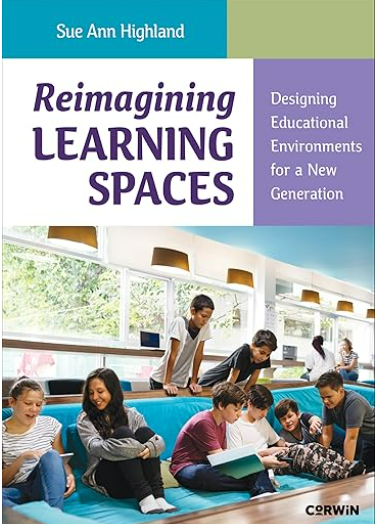
Resource in focus: Sue Anne Highland’s book, “Reimagining Learning Spaces: Designing Educational Environments for a New Generation”
In conversations about learning environments, the focus is often placed squarely on students; flexible classrooms, collaborative spaces, breakout areas, and environments designed to support different ways of learning. While these conversations are essential, they can sometimes overlook another equally important group within the school ecosystem: teachers. In Reimagining Learning Spaces: Designing Educational Environments for a New Generation, Sue Ann Highland explores the role that spatial design plays in shaping learning environments in a way that is both accessible and thoughtfully argued. Written in an easy-to-read and well considered style, Highland not only discusses the impact of design on student learning but also dedicates space to an often overlooked idea, the importance of investing in environments that support teachers as well.
Too often, staff lounges, staff rooms and teacher workspaces are treated as an afterthought in school design spaces that are functional but rarely intentional. Highland reminds us however that the wellbeing of teachers is deeply connected to the wellbeing and success of students. As she writes:
“It is not just student wellness that is important to academic success; the mental, physical, and emotional well-being of teachers also matters. Teachers cannot effectively tend to their students’ needs until their own needs are met.”
This perspective reframes the way schools might think about the purpose of staff spaces. Rather than simply being places for teachers to eat lunch or store belongings, teacher lounges can play an important role in supporting wellbeing, fostering professional relationships, and strengthening school culture.
Highland also emphasises that the design of these spaces communicates something powerful about how teachers are valued within a school community. She notes the importance of:
“…creating school culture, policies and practices that are responsive to what teachers need and that communicate the value of teachers to the school community.”
Design, in this sense, becomes more than aesthetics or layout, it becomes a signal of respect and recognition.
To support teacher wellbeing and connection, Highland outlines several design considerations that schools should prioritise when rethinking staff lounges and teacher spaces.
One key element is flexible and ergonomic furniture. Teaching is physically demanding, and providing a variety of comfortable seating options, such as lounge chairs, sofas, standing tables, or adjustable work surfaces, allows teachers to rest, change posture, and work in ways that support their physical health.
Equally important is the balance between collaboration and quiet. Teacher lounges can serve as places where informal conversations spark new ideas, where colleagues debrief after challenging classes, or where professional relationships deepen. At the same time, teachers may also need moments of calm and privacy during the day. Thoughtfully designed spaces that offer both communal areas and quieter corners allow teachers to choose what they need in the moment.
Highland also highlights the role of natural light and calming design elements. Access to daylight, views outside, indoor plants, and soft materials can help reduce stress and create an environment that feels restorative rather than purely functional. Small design choices can have a surprisingly large impact on mood and wellbeing.
Another important consideration is adjustable environmental controls. Lighting and temperature can significantly influence comfort, energy levels, and the ability to relax. Providing adjustable lighting options, such as dimmable lights or a combination of task and ambient lighting, allows teachers to create a more comfortable atmosphere. Similarly, where possible, temperature control or improved ventilation helps ensure that the space feels comfortable year round, rather than becoming a place teachers avoid because it is too hot, cold, or poorly ventilated.
Highland’s thinking also extends to the overall aesthetic and design quality of staff spaces. A positive aesthetic, thoughtful colour choices, quality materials, artwork, and an inviting layout signals that the space has been intentionally designed rather than simply assembled from leftover furniture. When a space feels welcoming and well considered, it communicates respect for the people who use it.
Practical amenities that support daily routines also make a difference. Well designed refreshment areas, kitchenettes, or coffee spaces can transform a lounge into a genuine place for teachers to pause and recharge. These shared spaces often become natural points for conversation and connection, strengthening the social fabric of a school.
In addition, accessible technology and functional workspaces allow teacher lounges to support professional collaboration. Charging stations, shared screens, and small meeting areas enable teachers to quickly plan together, review materials, or problem solve without needing to book formal meeting rooms.
An often overlooked but equally important factor is the ongoing upkeep and maintenance of staff spaces. Cleanliness, functional equipment, and well maintained furniture all contribute to whether a space feels valued and respected. A well designed lounge that is poorly maintained quickly loses its restorative qualities. Regular care and attention signal that the space, and the people who use it, matter.
Ultimately, Highland’s work reminds us that designing for learning does not stop at the classroom door. A school’s physical environment shapes relationships, culture, and wellbeing across the entire community. When teachers are supported by spaces that encourage rest, connection, and collaboration, the benefits ripple outward, strengthening not only staff wellbeing but also the learning experiences of students.
Investing in thoughtfully designed teacher spaces is therefore not a luxury. It is an investment in the health of the entire learning environment.
Designing inclusive wayfinding: A neuro-affirming signage system for the Stonnington Toy Library
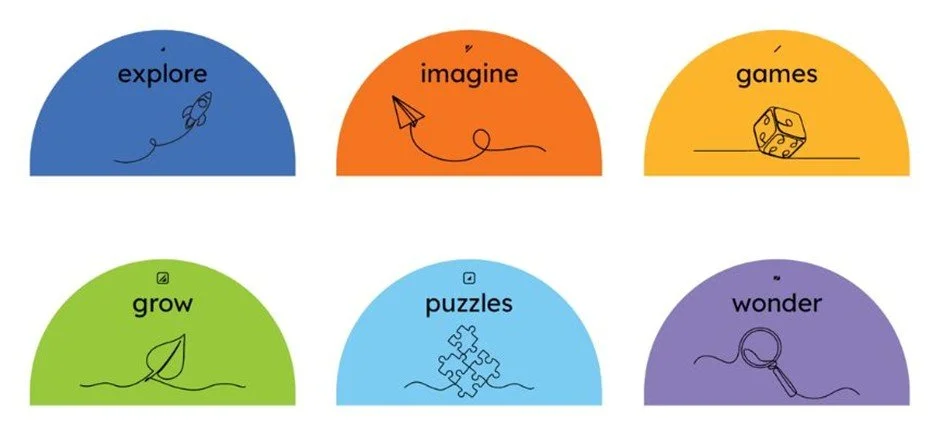
Wayfinding is more than signage, it is a critical accessibility tool that shapes how people feel, move, and participate within a space. For community based organisations such as toy libraries, often operated by volunteers from diverse backgrounds, the clarity, consistency, and adaptability of signage can determine whether an environment feels supportive or overwhelming.
Over an 18-month period, the Neuroforma team partnered with the Stonnington Toy Library, a community toy library to review and redesign its wayfinding system. The aim was to develop an inclusive, neuro-affirming signage framework that supports members, employees, and volunteers, while remaining practical, affordable, and manageable for the organisation over time.
Designing for real world constraints
From the outset, the project acknowledged the operational realities faced by many small not-for-profit businesses. Any proposed system needed to:
be scalable and capable of being rolled out across multiple sites over time
allow staged implementation aligned with funding availability
integrate with the existing layout, shelving structure, and cataloguing system, encompassing over 4,000 toys
be designed to be easily managed, updated, and maintained by the client, offering a cost effective and resource efficient solution
be intuitive, easy to understand, learn, and communicate
work within a busy, colourful, and well-loved existing environment
Rather than proposing a complete replacement, the focus was on creating a flexible framework that could evolve incrementally with minimal disruption to day-to-day operations.
A layered wayfinding and coding system
To support different levels of orientation and information processing, a clear, layered signage hierarchy was developed. This coding system enables users to navigate the space intuitively, regardless of their role, familiarity with the toy library, or sensory preferences.
The system included:
front-of-house anchor point signage to establish orientation
high level directional wall signage for broader navigation
low level sectional signage to support local wayfinding
shelf labels for precise identification
bay and play style differentiation signage
floor signage to reinforce movement paths and activity zones
By providing multiple points of reference, the system aims to reduce cognitive load and support users who rely on different cues to navigate confidently.
Supporting diverse access needs
The signage framework was developed with careful consideration of a wide range of access and inclusion needs. Rather than relying solely on text, the system integrates multiple forms of communication, combining visual and audio cues to support understanding and choice.
This approach included:
clear, consistent iconography
simplified label names and section headings
a carefully considered colour palette designed for contrast, clarity, and visual calm
QR codes to provide optional audio guidance and extended information
deliberate font selection and sizing to improve legibility
low glare, matte finishes for signage and labels
Visual and audio cues work together to provide redundancy, ensuring that if one mode of information is inaccessible, another remains available.
Consistency over complexity
A key outcome of the project was the recognition that consistency is more effective than complexity. Repeated visual patterns, predictable placement, and uniform language help users build familiarity and confidence over time.
At the same time, the project acknowledged a fundamental reality of inclusive design: it is not possible to meet every access need fully within a single system. Instead, the goal was to make thoughtful, evidence informed decisions that significantly improve accessibility for many users, without introducing new barriers for others.
A collaborative, consultative process
The signage system was developed through a multi-step, consultative process spanning approximately 18 months. This included ongoing engagement with the client, refinement of language and visuals, and careful balancing of aspirational accessibility goals with practical constraints, ensuring the system remains usable, adaptable, and sustainable.
Designing for dignity and participation
Inclusive wayfinding is not just about navigation; it is about dignity, independence, and belonging. For toy library users, including employees, volunteers, and members who are disabled or neurodivergent, clear and supportive signage reduces reliance on others, lowers anxiety, and supports meaningful participation.
By embedding neuro-affirming principles into a flexible, low cost signage framework, this project demonstrates how inclusive design can be both aspirational and achievable, particularly when shaped through collaboration, patience, and respect for lived experience.
An insight report: Integrating neuro-affirming design principles for sports flooring in Australian schools
Sport plays a vital role in Australian schools, supporting physical health, social connection, confidence, and wellbeing. Yet for many students, particularly those who are neurodivergent, sports environments can feel overwhelming rather than welcoming. While much attention is given to coaching, participation programs, and curriculum, the design of the physical environment itself is often overlooked. Sports flooring, one of the most dominant elements in a school hall, has a powerful influence on how safe, calm, and accessible these spaces feel. Integrating neuro-affirming design principles into sports flooring offers an opportunity to rethink school sport environments so they support participation, comfort, and inclusion for every student.
Neuroforma has released an insight report exploring the integration of neuro-affirming design principles in sports flooring for Australian schools. The following is a brief overview of its key insights and conclusions.
Designing sports floors that are neuro-inclusive: Shifting the focus from performance first to people first design
Sport has long been central to Australian school life. It supports physical health, builds confidence, strengthens social connections, and fosters a sense of belonging.
Traditionally, sports flooring in schools has been specified around durability, safety, and performance compliance. Timber sprung floors, vinyl systems, and polyurethane surfaces are typically assessed against criteria such as shock absorption, ball bounce, slip resistance, and lifecycle cost. These factors remain essential, but they are no longer sufficient on their own.
Contemporary education design is increasingly shaped by inclusion, accessibility, and wellbeing. With an estimated 15–20% of students identified as neurodivergent, learning and activity spaces must respond to a wider spectrum of sensory, cognitive, and physical needs. Flooring, as the most expansive surface in a sports hall, plays a critical role in shaping how safe, calm, and legible that space feels.
Understanding neuro-affirming design in sports environments
Neuro-affirming design recognises neurological differences, such as autism, ADHD, dyslexia, and sensory processing differences. In sports halls, these differences often intersect with heightened sensory input: echoing acoustics, glare from polished floors, visually complex timber grain, overlapping line markings, and unpredictable underfoot feedback.
For some students, these conditions can lead to sensory overload, anxiety, reduced spatial confidence, or withdrawal from participation altogether. A floor that appears technically compliant may still feel overwhelming or disorienting.
Neuro-affirming sports flooring aims to reduce these barriers by prioritising:
visual calm and clarity
predictable, stable underfoot performance
reduced glare and reflections
controlled acoustics and vibration
intuitive wayfinding through clear line marking
Importantly, these strategies benefit all users, not just neurodivergent students.
What does neuro-affirming sports flooring look like?
In an educational context, a fit-for-purpose sports floor must do more than withstand wear. It must support a wide range of activities, users, and sensory experiences over decades of use.
A neuro-affirming floor balances:
Safety – shock absorption, slip resistance, smooth transitions
Durability – long-term mechanical, functional, and visual performance
Accessibility – continuity, clear markings, mobility support
User experience – comfort, confidence, and visual legibility
When acoustic performance, tactile quality, and visual comfort are considered alongside traditional performance metrics, the floor becomes a foundation for inclusion rather than a hidden barrier.
The hidden challenges of timber sports floors
Timber remains a popular choice in Australian schools, valued for its resilience, tradition, and aesthetics. However, not all timber systems perform equally in neuro-inclusive environments.
Natural variation in colour and grain, particularly in mixed Australian hardwoods, can create visual “noise” that interferes with depth perception and spatial orientation. High-gloss coatings amplify glare and reflections, while expansion gaps required by many solid strip systems can interrupt visual continuity and underfoot predictability.
These characteristics are not defects, they are inherent properties of the material. But when used without consideration of sensory impact, they can unintentionally exclude some students from fully engaging in sport.
A Four Tier Framework for Neuro-Affirming Sports Flooring
To address these challenges, the report proposes a Four Tier Neuro-Affirming Sports Flooring Framework, based on design performance rather than cost:
Tier 1: Seamless synthetic systems
Polyurethane resin or seamless vinyl floors with matte finishes offer the highest level of visual consistency, low reflectivity, excellent shock absorption, and minimal sensory triggers.
Tier 2: Engineered timber systems
High quality engineered floors using plantation-grown species such as European Oak or North American Maple provide warmth and durability while maintaining dimensional stability and visual calm, when finished in low gloss coatings and installed without intermediate expansion voids.
Tier 3: Solid strip timber
First grade solid timber systems can perform well but require careful detailing. Expansion gaps and surface interruptions may reduce suitability for neuro-affirming environments unless managed meticulously.
Tier 4: Mixed Australian hardwoods
While structurally robust and locally sourced, Australian hardwood floors can present challenges from a neuro-affirming perspective due to high visual variability, multiple expansion voids, and potential long-term gapping.
Crucially, the framework is not cost based. In many cases, Tier 1 and Tier 2 solutions deliver superior inclusive outcomes without being the most expensive options.
Small design decisions, big inclusion gains
Some of the most effective neuro-affirming strategies involve little or no additional cost. Clear separation between court lines, thoughtful hierarchy in multi court layouts, matte finishes, and coordinated lighting can dramatically improve visual legibility and wayfinding.
Similarly, engaging neurodivergent students and educators in design decisions, and conducting post occupancy evaluations, ensures that flooring performs as intended in real world use, not just on paper.
A call to action for Australian schools
Australian schools are well positioned to lead the next generation of inclusive sports environments. Doing so requires a shift in mindset, from asking whether a floor meets minimum standards, to asking who it truly works for.
The report calls for:
nationally recognised inclusive line-marking standards
accredited neuro-inclusive design guides for school sports facilities
continued research into the relationship between flooring, sensory experience, and participation
When sports flooring is designed with inclusion in mind, the result is more than a durable surface. It is a space where every student feels safe, confident, and welcome to participate.
To request a copy of the report, contact us at info@neuroforma.co
Transforming Australian Classrooms: The Role of VR and AI in Education

The introduction of virtual reality (VR) and artificial intelligence (AI) into Australian classrooms is revolutionising the educational landscape. As technology continues to advance, educators are discovering innovative ways to integrate these tools into their teaching practices, enhancing learning experiences and engagement for students.
Artificial Intelligence in Education
AI has already made significant inroads in education, offering a multitude of possibilities. From basic tasks like grading and scheduling to more sophisticated applications such as personalized learning pathways and adaptive assessments, AI can greatly enhance the efficiency of educational processes.
The strength of AI lies in its ability to provide tailored learning experiences. By analysing student data, AI can help identify individual strengths and weaknesses, enabling educators to adapt their teaching strategies to meet diverse learning needs. This means that teachers can focus on fostering creativity and critical thinking, rather than getting bogged down by administrative tasks.
The Power of Virtual Reality
The affordability and accessibility of VR headsets, such as Oculus Quest and HTC Vive, have made this technology increasingly popular in Australian classrooms. VR offers a unique opportunity for immersive learning, transporting students to environments that would otherwise be difficult or impossible to experience.
Imagine a biology class where students can explore the human body in 3D, walking through arteries and examining organs from the inside. Or a history lesson that takes students on a virtual tour of ancient Rome, allowing them to witness historical events in a way that textbooks simply cannot convey. These immersive experiences not only captivate students’ attention but also deepen their understanding of complex concepts.
Enhancing Communication and Collaboration
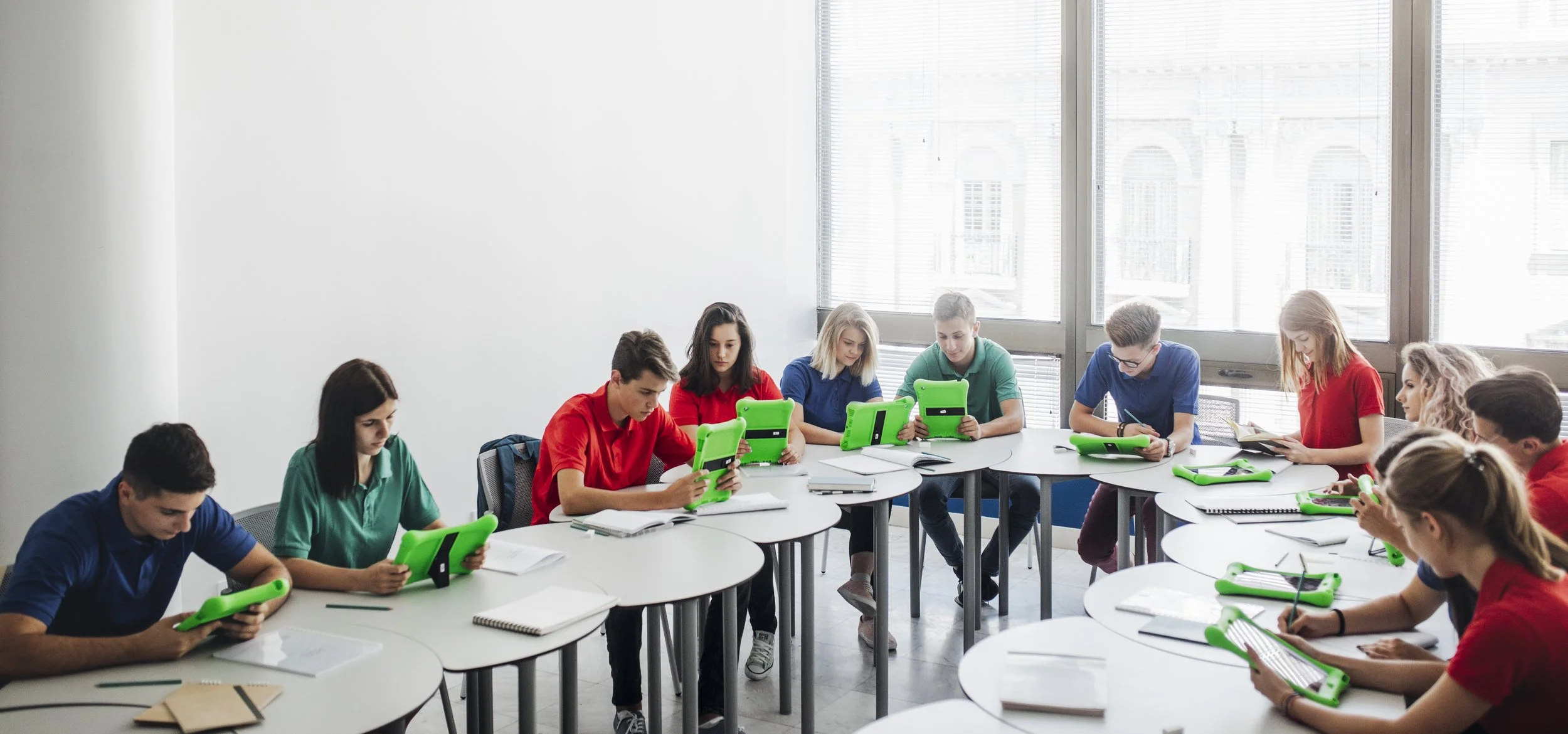
By incorporating VR into classroom activities, educators can facilitate better communication and collaboration among students. VR simulations can create scenarios that require teamwork, problem-solving, and critical thinking, preparing students for real-world challenges. For instance, students can work together in a virtual environment to design a sustainable city, fostering discussions about environmental impact and urban planning.
AI and VR can significantly enhance the educational experience for neurodivergent students in Australian classrooms by providing personalized learning pathways, adaptive tools for communication, and immersive environments that reduce anxiety. AI can tailor content to individual learning styles, offer real-time feedback to teachers, and support social skills development through interactive chatbots. Meanwhile, VR can create safe, controlled spaces for students to practice real-world skills and engage with learning in a stimulating way, all while helping to regulate sensory experiences. Together, these technologies foster inclusivity and promote a more supportive learning atmosphere for neurodivergent students.
In addition, VR can bridge the gap between theoretical knowledge and practical application. Students can conduct virtual science experiments or explore geographical locations, making lessons more engaging and relevant to their lives.
Early Adoption in Australian Schools
While the adoption of VR and AI in Australian education is still in its early stages compared to some regions, interest is growing. Many schools are experimenting with VR technology, incorporating it into subjects such as science, history, and the arts. Educators are eager to see how these tools can enhance student engagement and learning outcomes.
However, challenges remain. Educators need training and support to effectively integrate these technologies into their curricula. Additionally, schools must ensure they have the necessary infrastructure and resources to implement VR and AI solutions successfully.
Looking to the Future

As more Australian educators explore the potential of VR and AI, the landscape of education will continue to evolve. The opportunities for creating engaging, interactive learning environments are immense. By embracing these technologies, educators can not only enhance the learning experience but also prepare students for a future where digital literacy and technological competence are crucial.
The future of education in Australia is bright, and with VR and AI at the forefront, students are poised to benefit from an enriched, immersive learning experience that transcends traditional classroom boundaries. As we look ahead, it’s clear that the integration of these technologies will play a pivotal role in shaping the educational journey for generations to come.
Empowering Neurodivergent Learners: A Review of Hear and Learn’s Soundfield Systems and Hearing Augmentation Solutions

In the realm of education, providing equitable access to learning opportunities is essential, especially for neurodivergent children who may require additional support to thrive in academic settings. I had the privilege of speaking to Daniel Hughes the General Manager of Hear and Learn, at the recent LEA conference. Hear and Learn is the leading provider of educational solutions, offering a range of Soundfield systems and hearing augmentation solutions designed to enhance the learning experiences of neurodivergent students. In this review, I will explore the benefits of these innovative technologies and their impact on neurodivergent learners.
Soundfield systems, a cornerstone of Hear and Learn offerings, are amplification systems designed to improve the auditory environment in classrooms. These systems consist of microphones worn by educators and strategically placed speakers throughout the classroom, ensuring that every student can hear the teacher clearly, regardless of their position in the room. For neurodivergent children who may struggle with auditory processing or sensory sensitivities, a clear and consistent auditory signal is crucial for effective learning.

One of the primary advantages of Hear and Learn Australia's Soundfield systems is their ability to reduce auditory distractions and enhance speech intelligibility. By amplifying the teacher's voice evenly across the classroom, these systems minimize background noise and reverberation, creating a more acoustically conducive learning environment. For neurodivergent children who may be easily overwhelmed by sensory stimuli or have difficulty filtering out irrelevant sounds, this improved signal-to-noise ratio can significantly enhance their ability to focus and comprehend classroom instruction.
It is also important to note that Hear and Learn Soundfield systems are designed with the principles of universal design in mind, ensuring accessibility for all students, regardless of their individual needs or abilities. The flexibility of these systems allows educators to adjust settings such as volume and microphone sensitivity to accommodate the unique preferences and requirements of neurodivergent learners. Additionally, some models feature wireless connectivity and portable components, facilitating easy installation and mobility between classrooms, ensuring consistent access to auditory support throughout the school day.

In addition to Soundfield systems, Hear and Learn offers a range of hearing augmentation solutions tailored to the specific needs of neurodivergent children. These solutions may include personal FM systems, loop systems, or Bluetooth-enabled devices, providing customizable options to suit diverse learning environments and preferences. Whether used in classrooms, lecture halls, or other educational settings, these hearing augmentation solutions help ensure that neurodivergent students can fully engage with instructional content and participate in classroom discussions, regardless of background noise or distance from the speaker.
We appreciate and respect Hear and Learn’s commitment to ongoing research and development which ensures that their Soundfield systems and hearing augmentation solutions are continuously evolving to meet the changing needs of neurodivergent learners.
By partnering with educators, audiologists, and researchers, Hear and Learn Australia remains at the forefront of innovation in educational technology, striving to create solutions that empower neurodivergent children to reach their full potential.
Get in contact with the team at Hear and Learn today - https://www.hearandlearn.com.au/soundfield-solutions
The power of words and language: Connecting voice and community around neurodiversity.

For many reasons and like all language, language around neurodiversity continues to evolve and change. What is evident is that the language surrounding neurodiversity is moving towards one promoting empowerment, identity, neuro affirming and individual preference. It is connecting and creating community with a focus on recognition and acceptance to provide a platform for voice and advocacy.
The movement in identifying and unifying language terms around neurodiversity is highlighted by organisations across the world. Examples include:
The NHS Dorest Language Guide (https://nhsdorset.nhs.uk/neurodiversity/about/language/) promote on their website:
“The language around neurodiversity is evolving, and we know people may use a range of terms to describe themselves and others. For the website, it is important that we use a consistent set of words and phrases that people with lived experience have agreed are respectful, positive and inclusive.”
Clinikids (https://clinikids.telethonkids.org.au/information-hub/resources/neuroaffirming-language-preferences/) notes:
“The language we use shifts over time and the words we use are important. At CliniKids, we are committed to using language that is neuroaffirming and preferred by the autistic community.”
Autistic realms (https://www.autisticrealms.com/post/neurodiversity-language-matters) emphasises why having the right language is so important:
“Language matters, it matters even more when you are neurodivergent. It is important for children and adults to have the right vocabulary; this helps to develop a deeper understanding of yourself and builds confidence. Language enables effective communication and having the right vocabulary is a path to getting your needs met and self-advocacy. If you don't have the language to describe yourself, your emotions, your body sensations and experiences it can affect your mental health and ability to achieve your true potential.”
It is somewhat overwhelming to think about language and what are the terms to employ and not, and the impact that it can have on assumptions, preconceptions and bias. Some general takeaway thoughts on learning the language around neurodiversity:
don’t just assume when in doubt ask
continue to learn
keep an open mind, be prepared to change
challenge assumptions and bias.
In some cases, word usage is based on induvial preference such in the case of identity-first and person-first language.
An infographic from the Engaging Minds Learning Group, captures the definition of person-first vs identity-first language .

The Simpkus organisation (https://stimpunks.org/language/) provides an easy to understand example of identity-first language in their discussion on identity first and person first language:
I’m autistic, not a person with autism.
Autistic is an important part of my identity.
I’m a disabled person, not a person with disabilities.
Disabled is an important part of my identity.
Fundamentally, it comes does to personal preference and it is important to not assume but ask.
There is also the emergence of identity terms which are being embraced and solidified with the neurodiverse community. These are:
ADHDer- is for a person with ADHD
AUDHD- for a person with ADHD and autism
Neurokin- refers to the people who share your neurotype: dyspraxia, ADHD, autism, neurotypical. Neurokinship enables pride, confidence.
(https://us.specialisterne.com/neurokinship/#:~:text=Neurokin%20is%20a%20term%20that,Neurokinship%20enables%20pride%2C%20confidence.)
In all aspects language connects. The language around neurodiversity is evolving and will continue to as people, individual, groups and communities see the need. There are a number of language guides available to outline terms and language that are accepted and changing around neurodiversity. A few examples of these are:
NHS Dorest Language Guide: https://nhsdorset.nhs.uk/neurodiversity/about/language/#:~:text=The%20term%20neurodivergent%20is%20used,ADHD%2C%20dyslexia%20or%20Tourette's%20Syndrome.
Neuro Affirming Language Preferences: https://clinikids.telethonkids.org.au/information-hub/resources/neuroaffirming-language-preferences/
Understanding the importance of inclusion in design. A review of Kat Holmes “Mismatch: How inclusion shapes design”

“design … shapes our ability to access, participate in, and contribute to the world.” (Kat Holmes)
One of the key drivers in understanding the creation of neurodivergent inclusive learning environments, is about understanding the concept of inclusion and what it means from a design perspective. In Kat Holmes book, “Mismatch: How inclusion shapes design,” Holmes provides an insightful, in-depth discussion on the importance of understanding inclusion and its fundamental impact on design. Initial focus is on the importance of defining what “exclusion” is, and its impact on human connectedness, to gain insight into understanding the concept of inclusion. Holmes encapsulates this idea in stating:
“Core elements of our identity are formed by our encounters of inclusion and exclusion. We decide where we belong and where we’re outsiders. It shapes our sense of value and what we believe that we can contribute. Exclusion, and the social rejection that often accompanies it, are universal human experiences. We all know how it feels when we don’t fit in .”
To draw on the notion of inclusion and design, Holmes uses the example of a playground. As a child in a playground, if there is a barrier to playing on something, a child will adapt their play to work around the barrier. However, sometimes adaption is not possible. It is this that leads to a child not being able to either access the playground or be included in play with other children who may not have encountered or being limited by this barrier. This is exclusion.
From this Holmes asks to consider the following questions:
What makes society accessible to some but not all people?
What happens when a designed object rejects us? i.e. a door will not open?
When we are excluded by these designs, how does it shape our belonging in the world?
How do we feel when we can’t open a door? Frustrasted, impatient, annoyed? Imagine having this as a barrier to greet you every day, or even multiple times a day. The burden that this must impose would be mind-blowing, limiting, and this is one small feature or interaction in a myriad of interactions.
Inclusion, Holmes highlights
“… complements design as a way to align what a solution can be with what a person needs it to be.”
As a reader, this can be related to easily in thinking about how spaces may have been designed to be aesthetically pleasing, however turn out it be functionally impractical. It may look great to the eye, but the use of the space becomes so easily redundant as doesn’t meet the functionality brief.
Holmes discusses that a design decision is based on bias. A bias based on a person’s or people’s interaction and experience. To illustrate this notion, an example of public bathrooms is used, and Holmes asks to consider the following questions:
A wave flush button can everyone find it, use it?
Are the door locks and toilet seats reachable for someone who is under four feet tall or seven feet tall?
What physical features are required to access sinks and faucets?
Do the automated soap dispensers’ response to people with a wide range of skin tones?
Is it a safe space for people across a range of genders?
How well does the space work for children and their parents?
How well does it work for people with luggage?
For a person with a broken ankle?
From this Holmes draws on the importance of the inclusion of diverse representation of users to achieve the designing of an inclusive solution by remarking:
“For designers, one important way to change invisibility is to seek out the perspectives of people who are, or risk being, the most excluded by a solution. Often, the people who carry the greatest burden of exclusion also have the greatest insight into how to shift design towards inclusion.”
From a design perspective 3 skills that Homles identifies to achieving inclusive design are:
Identify ability biases and mismatched interactions between people and world.
Create a diversity of ways to participate in an experience.
Design for interdependence and bring complementary skills together.
Overall, what is evident is that inclusion in relation to design is about understanding the design requirements from a diverse range of user experiences and expectations. It is about creating outcomes based on user voice and feedback, which are fluid, dynamic, with the option to review and adapt as required.
“Mismatch: How inclusion shapes design,” provides so many more discussion points and thoughts than is covered here. It is a thought provoking, easy to understand read. It is a starting point to get the conversation going about inclusion and its impact on design. For further resources, there are fantastic you tube presentations given by Kat Holmes on this topic which can be viewed on the links provided below: